
site loader
site loader
October 5, 2023 Streaming – Music Business

Streaming – Music Business

Streaming has evolved significantly since its inception, with technological advancements and shifts in consumer behavior driving these changes.
The evolution of streaming has transformed how we consume content, from traditional cable TV and physical media to an on-demand, internet-based model.

Streaming refers to the real-time transmission of audio, video, or other multimedia content over the internet and allows users to watch or listen to digital media without having to download the entire file beforehand.
Streaming takes different forms; from live streaming to on-demand, content delivery, adaptive, popular streaming services, and many others.

Streaming Benefits
Streaming services generate income for their owners through various revenue streams such as subscription fees, advertisements, Fremium models, pay-per-view, in-app purchases, merchandising & licensing, including partnerships and sponsorships.

The specific revenue sources can vary based on the type of streaming platform and its business model.

While streaming continues to serve the consumption of digital content, making it more accessible and flexible for users, it also presents unique challenges related to copyright, bandwidth, and technology infrastructure.

September 29, 2023 GIGS & THE TOUR INDUSTRY – MUSIC BUSINESS

GIGS & THE TOUR INDUSTRY – MUSIC BUSINESS

GIGS & TOURS

The Music Business stands on several pillars that enable artists and other related careers within the music industry to thrive.

In our exposé today, we explore how “Gigs and Tours” in the music industry provide thriving grounds for artists.

“Gigs and Tours” typically refer to live performances by musicians and bands. A “gig” is a single performance by a musician or band at a specific venue or event and can vary in scale, from small local shows at bars or clubs to large stadium concerts.

Musicians often perform a set list of songs, and gigs are a crucial way for artists to connect with their audience, promote their music, and earn income.

On the other hand, a “tour” collaborates with a series of gigs and performances that take place in different cities, regions, or countries. Tours are typically organized to promote a new album or to build a fanbase in different areas. They involve planning logistics, and booking venues and often require a significant investment in terms of time and resources.

Touring can be physically and emotionally demanding however, they do also offer significant profits for musicians.

Benefits of Gigs & Tours

Promotion & Revenue:

Gigs and Tours serve as promoting tools essential to attract an audience. This can involve advertising, social media promotion, and collaborating with local promoters or radio stations. Successful promotion can lead to larger audiences and more revenue. Musicians can earn money from ticket sales, merchandise, and sometimes a share of the venue’s bar sales. Successful tours can be very lucrative.

Exposure:

While gigs and tours are great revenue generators, they also offer unique opportunities for artists to engage with their fans. Meet-and-greets, merchandise sales, and fan interactions build a dedicated fan base, expose new audiences, and help musicians grow their careers.

September 22, 2023 The Music Distribution Industry – Music Business

The Music Distribution Industry – Music Business

The Music Distribution Industry

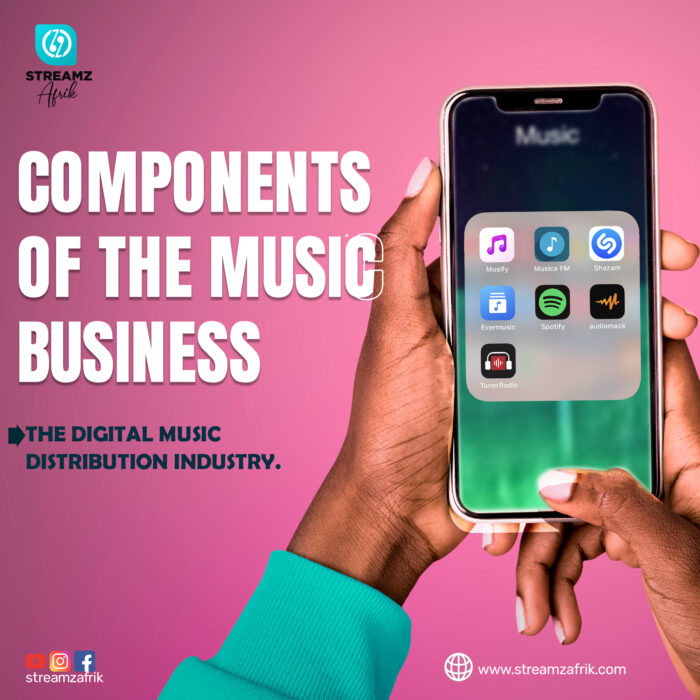
With the digital age taking over all systems of operations in organizations, businesses, and communication, the music distribution industry has also evolved from the physical access of CDs into online distribution and streaming as dominant methods of delivering music to consumers. Music distribution is simply how music gets delivered to the listener.

The music distribution industry is responsible for getting music from creators to listeners. It involves the process of recording, producing, promoting, and delivering music to various platforms and audiences. This industry encompasses record labels, digital distribution platforms, streaming services, physical music retailers, and more. Its primary goal is to make music accessible to the public while ensuring artists, songwriters, and other stakeholders receive compensation for their work. Examples of Some Music Distribution Companies include; TuneCore, DistroKid, CD Baby, etc.

September 7, 2023 Components of the Music Business.

Components of the Music Business.

RECORDING LABELS
Being a subsect of the Music Industry, the recording industry deals with the production and distribution of music. It has the responsibility of scouting for artists, creating, releasing, distributing, and marketing recorded music, and managing and monetizing the sound recording copyright.

Subject to constant evolution through the digital terrain, music record labels remain the first thing that comes to mind when people think of the industry.
Examples of some Music record labels include Eezee Conceptz, Rocktown Records, Bethel Music, Hillsong Music, Loveworld Records, Highly Spiritual Music, etc.